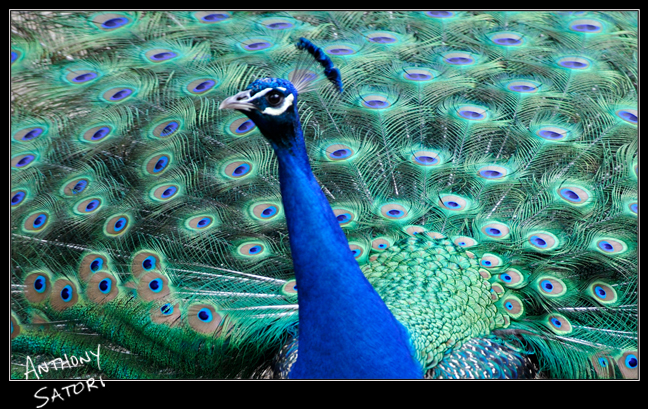
“Blue and Green Peacock” | Anthony Satori
“The internal machinery of life, the chemistry of the parts, is something beautiful. And it turns out that all life is interconnected with all other life.”
– Richard P. Feynman
“Blue and Green Peacock” | Anthony Satori
“The internal machinery of life, the chemistry of the parts, is something beautiful. And it turns out that all life is interconnected with all other life.”
– Richard P. Feynman
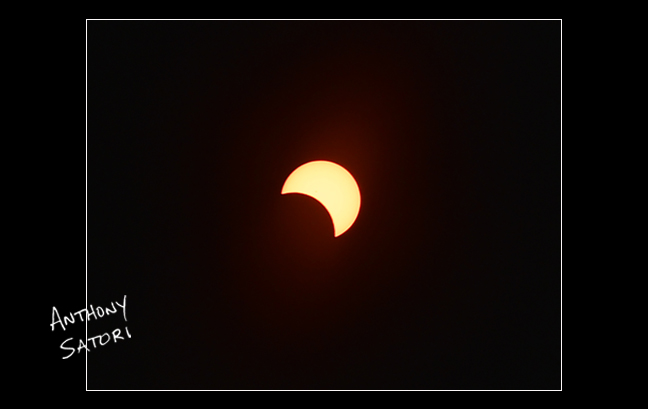
“Solar Eclipse 2024” | Anthony Satori
“such a sky and such a sun ~ i never knew and neither did you ~ and everybody never breathed ~ quite so many kinds of yes”
– e. e. cummings
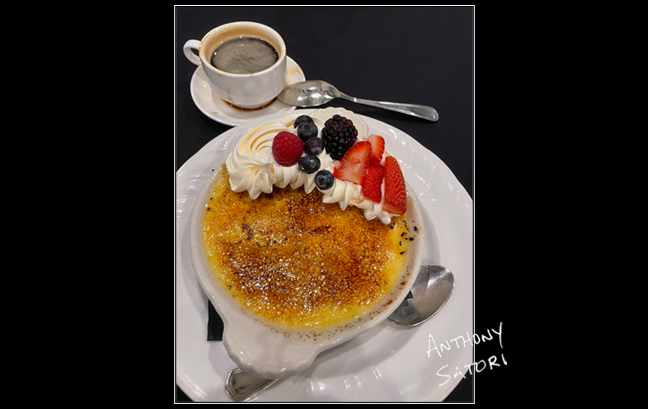
“Crème Brûlée and a Shot of Espresso” | Anthony Satori
“We think there is color, we think there is sweet, we think there is bitter, but in reality there are only atoms and void.”
– Democritus (c. 400 BC)
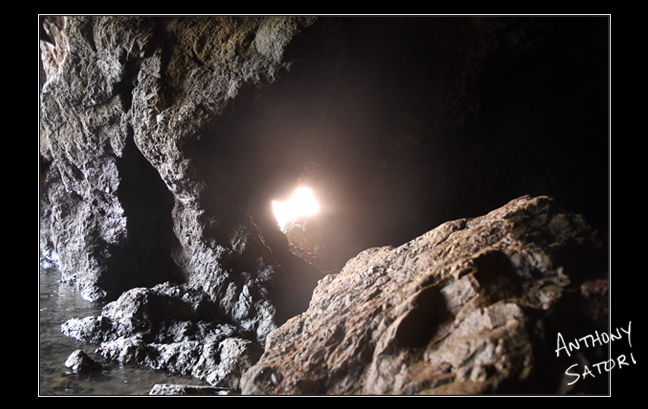
“Seek Light” | Anthony Satori
“Artists are here to disturb the peace.”
– Madonna
I disagree.
Artists are not here to disturb the peace. Quite to the contrary, artists are here to point the way to something better, something higher. Artists are here to illuminate universal goodness, beauty, and truth. Artists are here to connect our minds and spirits by shining a light on shared human values, virtues, and meaning. To put it most succinctly, artists are here to elevate consciousness. And this, it seems to me, is quite the opposite of “disturbing the peace.”
It’s true, sometimes the expansion of consciousness can be disorienting in its exhilaration. It can have the side effect of shaking up the status quo, of waking us up from the hypnosis of complacency. But this is not the primary goal of art. It is not even its primary side effect. And if we mistake this secondary side effect for the actual purpose of art, we will miss it entirely. If we proceed under this misapprehension – especially if artists themselves engage in this folly – we will miss out on one of the most sacred and pure paths to enlightenment and enrichment that we, as humans, have available to us.
Other potential sources have failed us in this pursuit, time and time again. Religion, politics, media, education – each have failed us disastrously in this measure, at some point or another, often in what seems to be nothing less than orchestrated concert. And when we find ourselves in this state of affairs, art remains the last and best refuge of enlightenment. And when artists fail to live up to this ideal – when they fail to even recognize it – society suffers greatly.

.
“Humanistic scholars and artists used to be, and were supposed to be, as a group, carriers of and teachers of the eternal verities and the higher life. The goal of humanistic studies was… to inspire the student to the better life, to the higher life, to goodness and virtue. But in recent years and to this day, most humanistic scholars and artists have shared in the general collapse of all traditional values. And when these values collapse, there are no others readily available as replacements.”
– A. H. Maslow
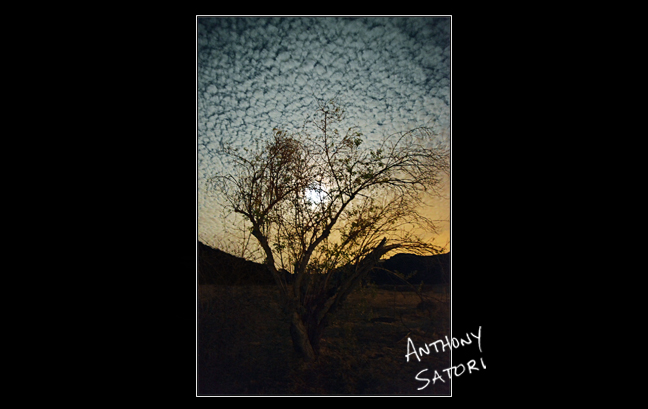
“Expanse” –|– Anthony Satori
“Imagination is more important than knowledge.”
— Albert Einstein
The way that Einstein is using the word “imagination” in this context does not mean “making things up,” or abandoning the intellect. Quite to the contrary, imagination, in its highest form, means having vision. And vision is the beginning, and constant companion, of any meaningful line of thought, inquiry, or pursuit. Vision is an appreciation for that which is not immediately evident, but which may be revealed through study, synthesized through creative, even abstract thinking, and divined through both introspection and careful attention to the world around us. Vision is the liberation of oneself to imagine what could be — and then to pursue that higher good, that more beautiful reality, with creativity, dedication, and enthusiasm.
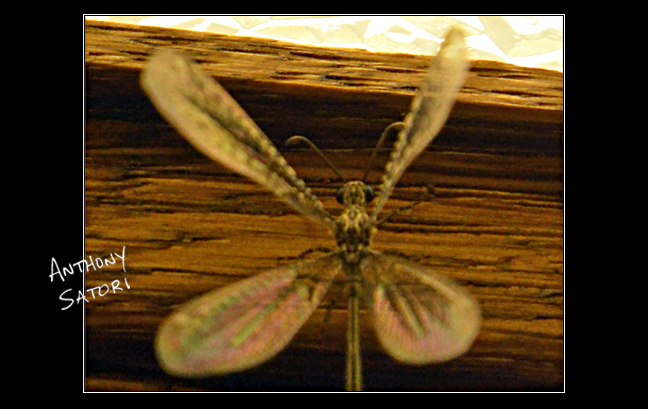
“The Mysterious” | Anthony Satori
“The most beautiful thing we can experience is the mysterious. It is the source of all true art and science. He to whom the emotion is a stranger, who can no longer pause to wonder and stand wrapped in awe, is as good as dead; his eyes are closed.”
— Albert Einstein
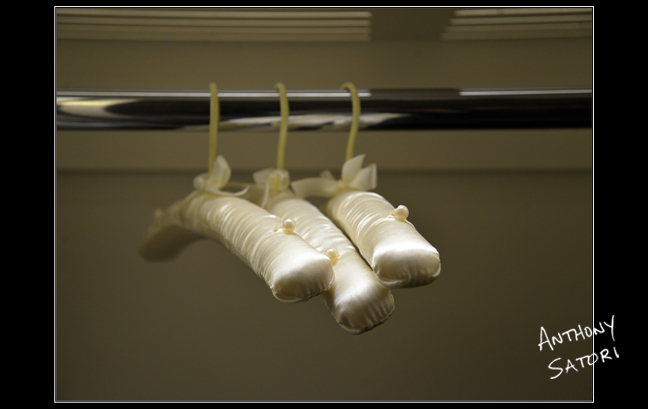
“Plush” | Anthony Satori
“When I am working on a problem, I never think about beauty. But when I have finished, if the solution is not beautiful, I know it is wrong.”
— R. Buckminster Fuller (Architect/Engineer/Inventor)
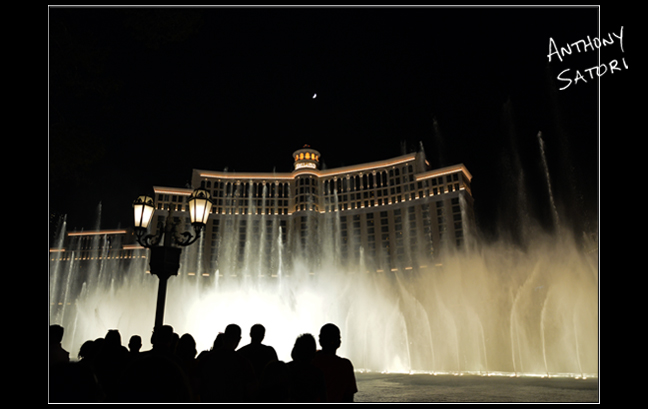
“Harmony” | Anthony Satori
“Whoever dedicates one’s life to searching out particular connections in nature will spontaneously be confronted with the question of how they harmoniously fit into the whole.”
— Werner Heisenberg
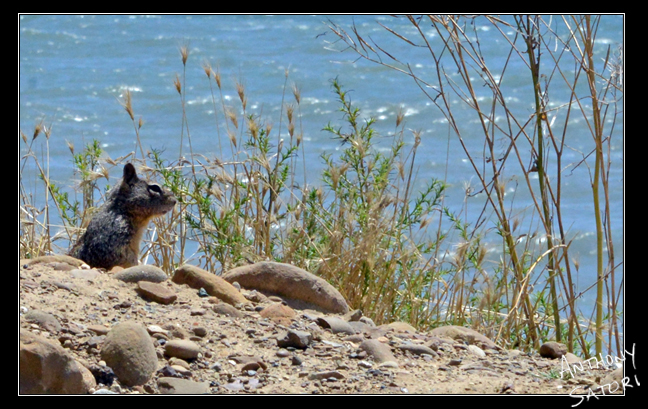
“Restful Contours” | Anthony Satori
“A finely tempered nature longs to escape from one’s noisy, cramped surroundings into the silence of the high mountains, where the eye ranges freely through the still, pure air and fondly traces out the restful contours apparently built for eternity.”
— Albert Einstein
 Satori Circle | Art & Culture