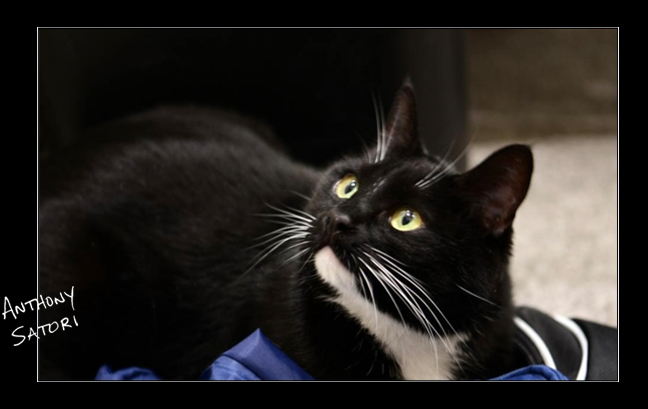
“Feline” | Anthony Satori
“Subtler than subtle, in the midst of chaos, the Creator of the world, endowed with many forms, who alone encompasses all that exists – knowing Him, one gains transcendent peace.”
– The Upanishads
“Feline” | Anthony Satori
“Subtler than subtle, in the midst of chaos, the Creator of the world, endowed with many forms, who alone encompasses all that exists – knowing Him, one gains transcendent peace.”
– The Upanishads
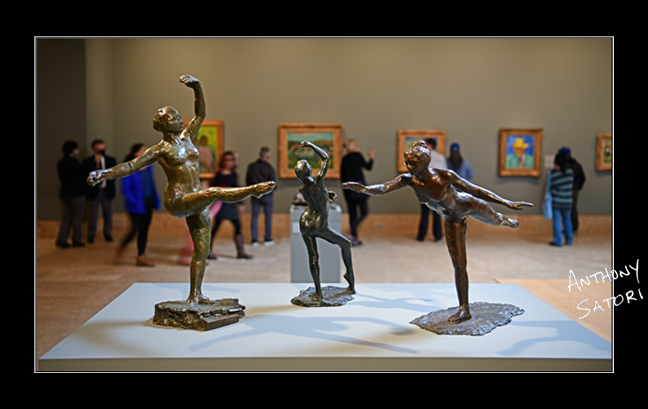
“Dancers” | Anthony Satori
“Our feet are planted in the real world, but we dance with angels and ghosts.”
– John Cameron Mitchell
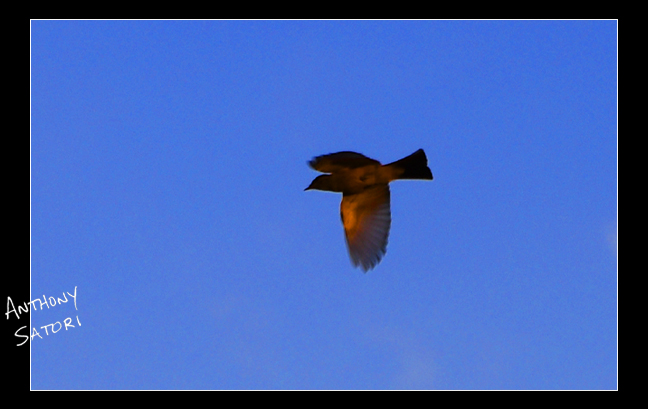
“Goldie” | Anthony Satori
“Who is this that we cherish as the Self? Which of these is the Self? It is this heart and this mind. It is awareness, perception, intelligence, insight… all of these are just names for consciousness. All is guided by consciousness, founded in consciousness. The world is guided by consciousness. Its foundation is consciousness. Consciousness is God.”
– The Upanishads
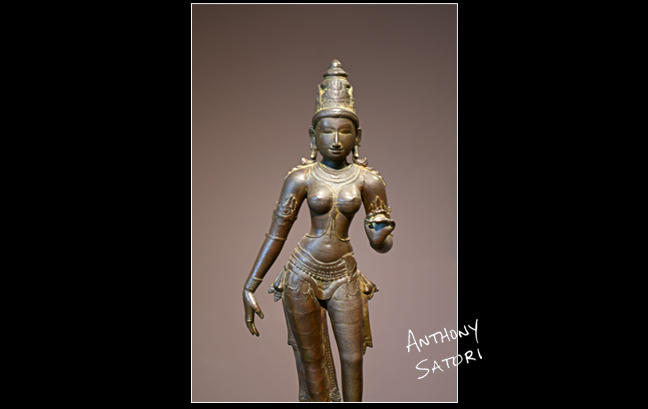
“The Light of Life” | Anthony Satori
“Let us be together. Let us eat together. Let us be vital together. Let us be radiating truth, radiating the light of life. Never shall we entertain negativity.”
– The Upanishads

“Polo Players” | Anthony Satori
“Luck is a matter of preparation meeting opportunity.”
– Seneca

“Guitar and Chair” | Anthony Satori
“Lives of quietness and common sense are stable and unswayed; they keep homes safe.”
– Euripides
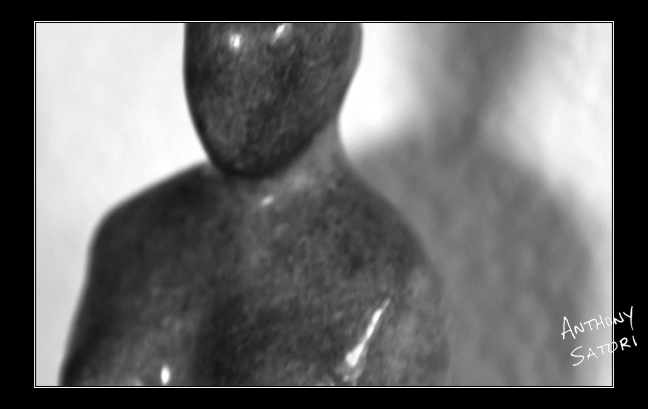
“Wisdom” | Anthony Satori
It is said that there are three standard responses to the Tao. A wise person hears the Tao and then quietly lives it. The average person hears the Tao and then fluctuates between belief and doubt. A fool hears the Tao and simply laughs.

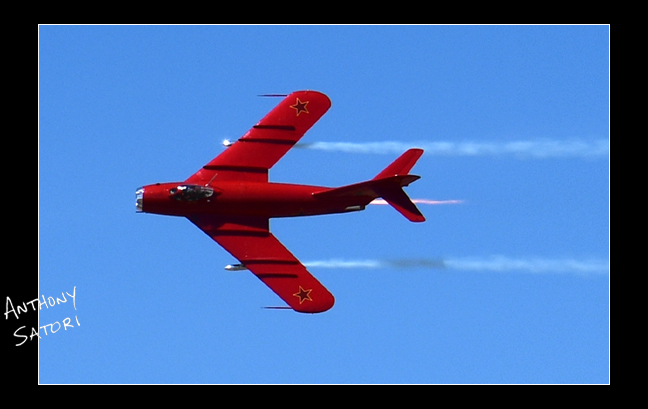
“The Need for Speed” | Anthony Satori
“In today’s rush, we all think too much, seek too much, want too much. Meanwhile, we forget about the joy of just being.”
– Eckhart Tolle
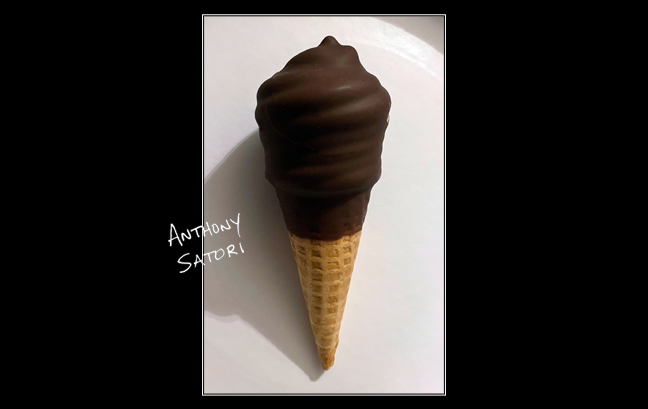
“Chocolate Covered Ice Cream Cone” | Anthony Satori
“Speech is the image of mind. Therefore, if a person desires to change their mind, they must first change their speech.”
– Neville Goddard
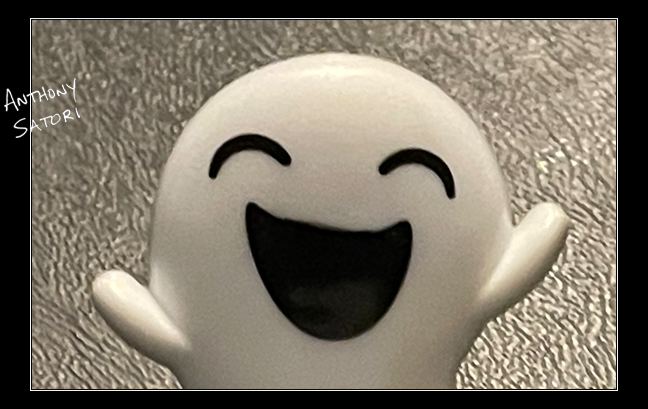
“Laughter” | Anthony Satori
I think one of the keys to a happy life is to cultivate the ability to find joy, meaning, and fulfillment in everything that we do, even the most mundane and simple of life’s experiences. It’s a matter of showing up for life, being here in the present moment, and paying attention.
For example. if you can sit down and play even a simple song on a musical instrument, or if you can sing along with a song in your car, or if you love to dance to a rhythm or flow – feel the magic of that, every time you do it. Music never gets less miraculous, we simply become jaded to its magic, and that does not have to happen. If we pay attention, we can choose to never lose the awe and pleasure that music can inspire.
In the same way, when you eat a good meal, even the most simple of meals, taste it, savor it, appreciate it. Food never has to be boring or rote, we simply tune out the pleasure that can occur at every meal, and that pleasure can be rediscovered if we simply choose it. Slow down, taste your food, be grateful for the nourishment and for the sensory experience of it.
And this, of course, applies to so many other things – sunshine, fresh air, clouds in the sky, the song of a bird, the company of a good friend or a loved one, the pleasure of reading a good book or watching a good movie – all of these things hold magic in them. They all have the potential to provide peak experiences, if we know how to slow down, pay attention, and approach them with appreciation and gratitude. It is simply a matter of consciously choosing this path, every day, and then making the most of every moment.

