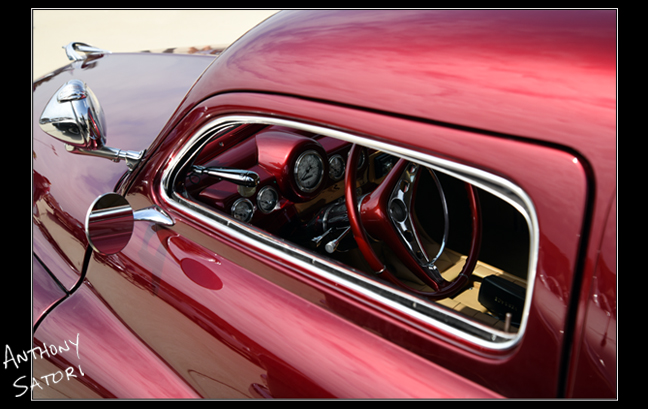
“Burgundy Hot Rod” | Anthony Satori
“Keep your face always toward the sunshine and shadows will fall behind you.”
– Walt Whitman
“Burgundy Hot Rod” | Anthony Satori
“Keep your face always toward the sunshine and shadows will fall behind you.”
– Walt Whitman
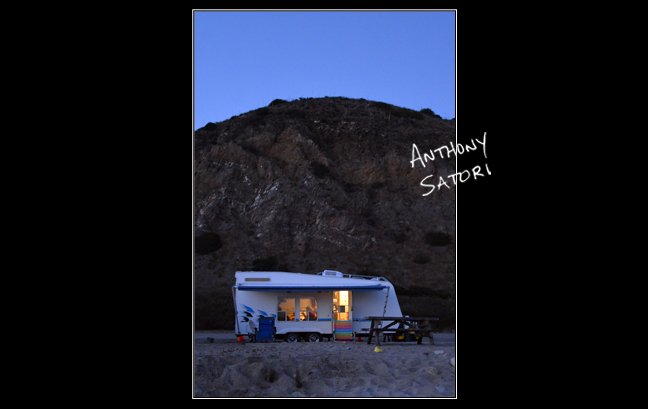
“Simplicity” | Anthony Satori
“Simplicity in character, in manners, in style; in all things the supreme excellence is simplicity.”
– Henry Wadsworth Longfellow

“Piano Keys” | Anthony Satori
“I looked. George Shearing. And as always he leaned his blind head on his pale hand, all ears opened like the ears of an elephant. Then they urged him to get up and play. He did. Shearing began to play his chords; they rolled out of the piano in great rich showers, you’d think the man wouldn’t have time to line them up. They rolled and rolled like the sea. He played innumerable choruses with amazing chords that mounted higher and higher till the sweat splashed all over the piano and everybody listened in awe and fright. They led him off the stand after an hour. Shearing rose from the piano, dripping with sweat; these were his great days before he became cool and commercial. He went back to his dark corner, old God Shearing, and the boys said, ‘There ain’t nothing left after that.’ When he was gone, Dean pointed to the empty piano seat. ‘God’s empty chair,’ he said. God was gone; it was the silence of his departure. It was a rainy night. It was the myth of the rainy night.”
– Jack Kerouac
This text is my own compilation of two entirely separate accounts that Jack Kerouac wrote describing a single rainy night when he and “Dean” (Neal Cassady) watched George Shearing play piano at a jazz club. The more I combed through each of the two descriptions, the more I found them to be almost perfectly complimentary to each other. Eventually, it even started to seem as if Kerouac had deliberately structured them this way: consistently presenting certain elements of the experience in one description that he had left out of (or shaded differently in) the other, and vice versa. Being an avid appreciator of Kerouac’s descriptive writing, I became curious to see how the text would feel if I synthesized these two descriptions into one continuous narrative. It started as a creative exercise, but as I proceeded, it almost began to feel as if Jack had quite purposefully left this puzzle to be found and deciphered later by some especially attentive (and lucky) reader, and that I had by pure good fortune stumbled upon this riddle. Whether he did it on purpose or not, I do not know. But the combined story ended up coming together in such a compelling manner, I decided to share it with you here. I hope you enjoy!

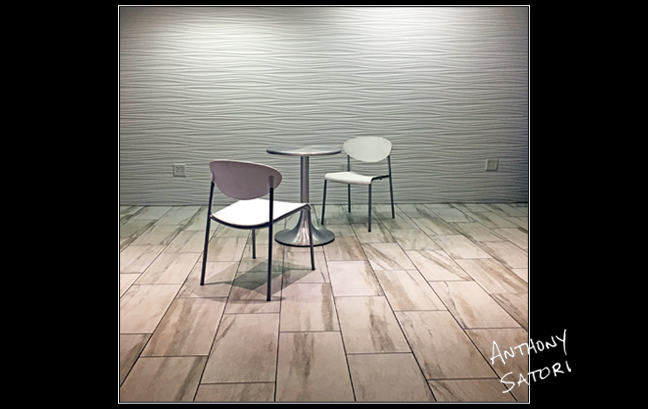
“Face to Face” | Anthony Satori
“Now it is time to sit quiet, face to face with thee, and to sing dedication of life in this silent and overflowing leisure.”
– Rabindranath Tagore
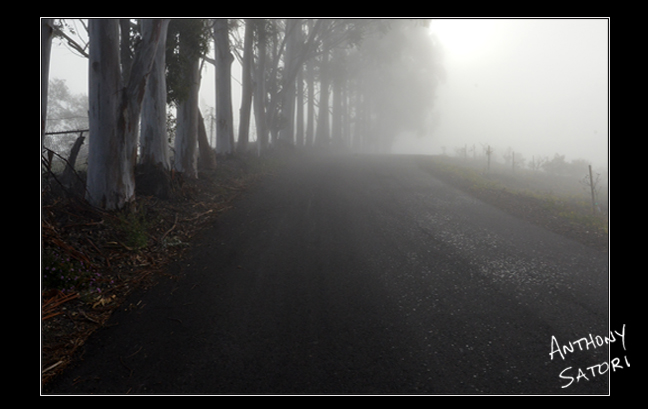
“Foggy Road” –|– Anthony Satori
“Faith is the bird that feels the light and sings when the dawn is still dark.”
– Rabindranath Tagore
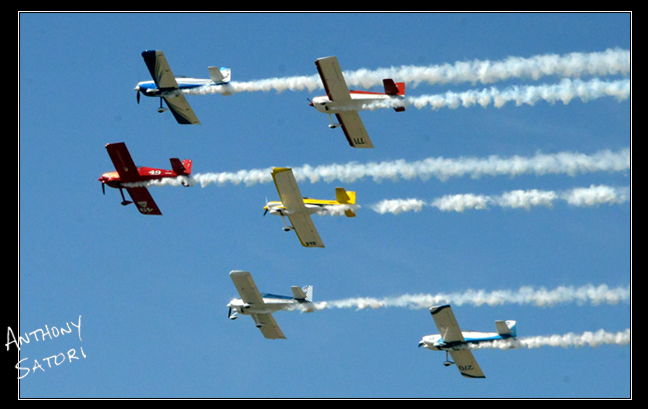
“Flying Colors” | Anthony Satori
“I believe that if one were to always look up at the skies, one would end up with wings.”
— Gustave Flaubert
Every day, whenever you can, remember to place your attention and thoughts on the good things in your life, on all of the things that you are grateful for, and on everything that you wish to see grow and expand and thrive. Where you choose to focus your mental, spiritual, and emotional energy will determine what will become nourished and strong in your life, and you will become an active agent in the creation of your own best world.
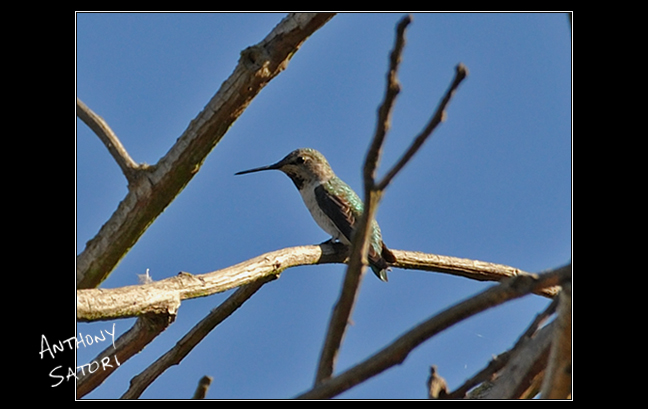
“Bluegreen Hummingbird” | Anthony Satori
“Between two worlds life hovers like a star, twixt night and morn, upon the horizon’s verge.”
— Lord Byron
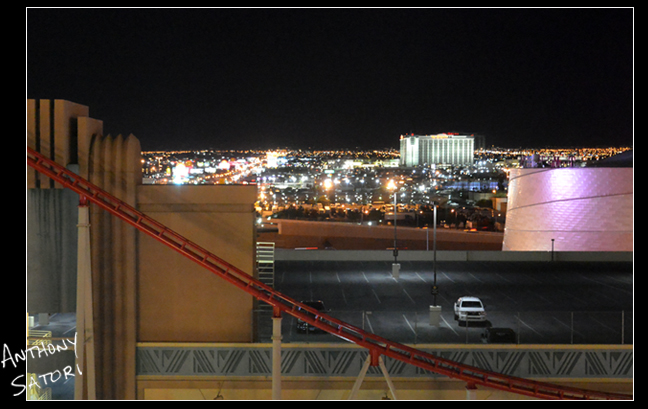
“City at Night” | Anthony Satori
“Squares after squares of flame, set up and cut into the ether. Here is our poetry, for we have pulled down the stars to our will.”
— Ezra Pound

“Skyline” | Anthony Satori
“What is now proved was once only imagined.”
— William Blake
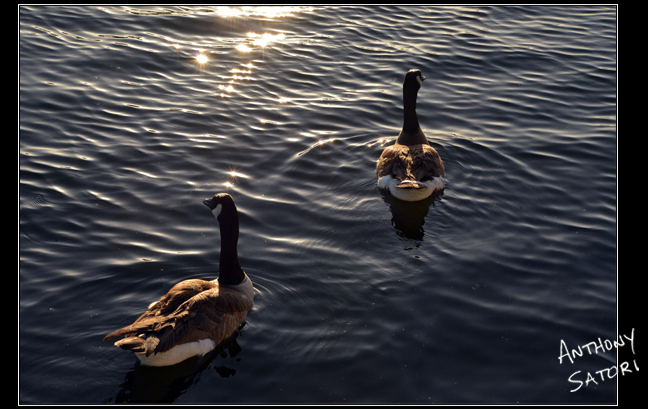
“In Sunlight” | Anthony Satori
“Who can leap the world’s ties and sit with me among white clouds?”
— Han Shan (Taoist poet, c. 900 A.D.)
 Satori Circle | Art & Culture