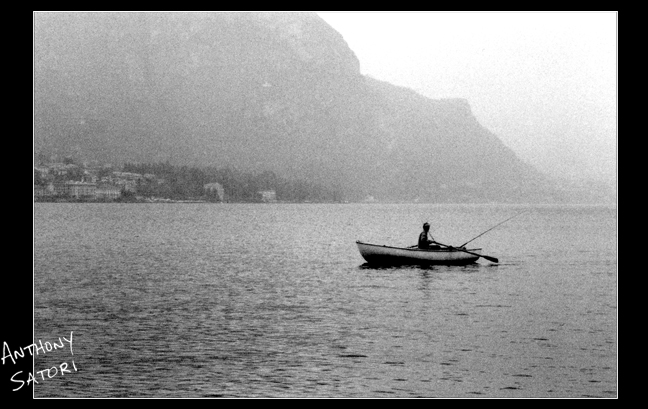
“On the Water” | Anthony Satori
“We have forgotten the age-old fact that God speaks chiefly through dreams and visions.”
— C. G. Jung
“On the Water” | Anthony Satori
“We have forgotten the age-old fact that God speaks chiefly through dreams and visions.”
— C. G. Jung
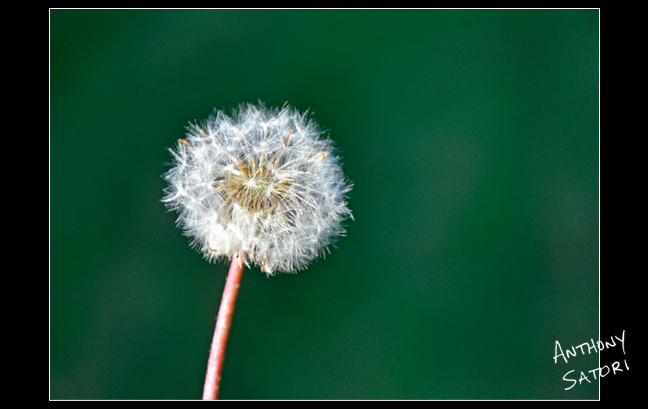
“Dandelion” | Anthony Satori
“Nothing is worth more than this day.”
— Goethe
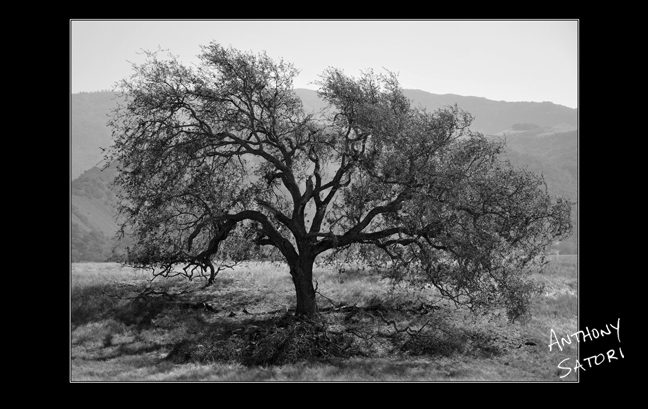
“Grand Oak Tree” | Anthony Satori
“Everyone who steeps themselves in the spiritual possibilities of their art is a valuable helper in the building of the spiritual pyramid which will someday reach to heaven.”
— Kandinsky

“Flower” | Anthony Satori
Aspire toward simplicity, purity, compassion and beauty. If you strive for these things in all that you do, you will become a vital conduit for the wondrous nature of the universe.

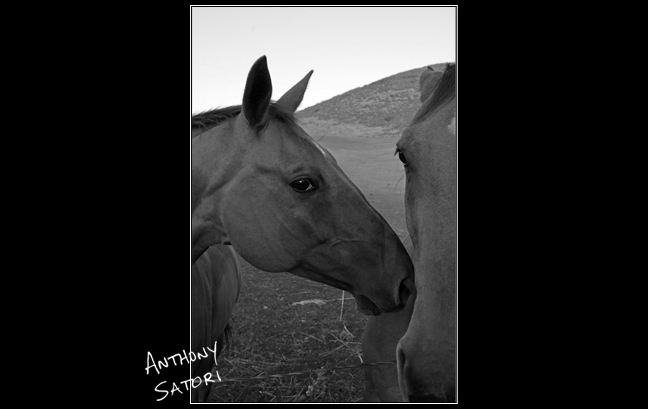
“Two Horses” | Anthony Satori
“I will not make a poem nor the least part of a poem but has reference to the soul. Because having look’d at the objects of the universe, I feel there is no one nor any particle of one but has reference to the soul.”
— Walt Whitman
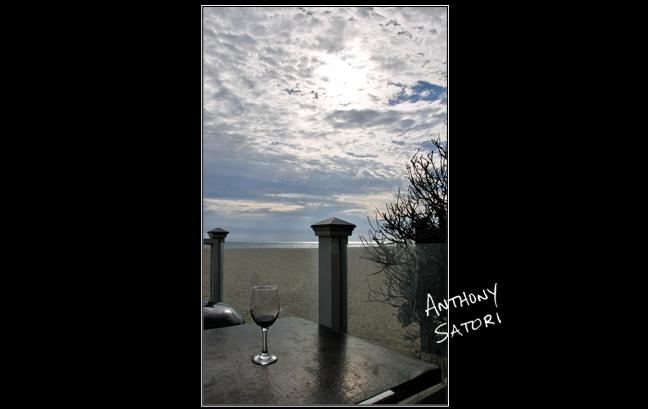
“Days of Wine and Sunshine” | Anthony Satori
“My joys here are great, because they are very simple and spring from the everlasting elements: the pure air, the sun, the sea and the wheaten loaf.”
— Nikos Kazantzakis
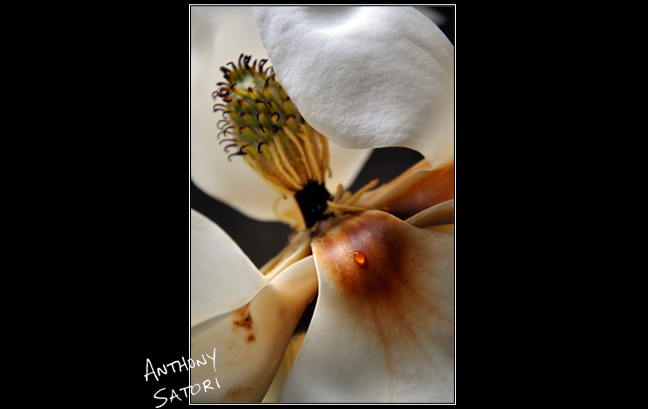
“Amber Droplet” | Anthony Satori
“God is shown to me no more fully than in some lovely mortal veil. My eyes that ever long for lovely things, my soul that seeks salvation, cannot rise to heaven unless they fix their gaze on beauty, for they have no other wings.”
— Michelangelo

“Sky Waves” | Anthony Satori
“Heaven is in everything. Follow the light, hide in the cloudiness, and begin in what is. Do this and your understanding will be like not understanding and your wisdom will be like not being wise. By not being wise you will become wise.” — Chuang Tzu
The Universe is made up of vibrations and waves. Everything is in motion, everything hums, everything is infused with energy. Find the vibrations that resonate with the best vibrations in your own soul and place your attention there. Do this consistently and with care, and synergy will result… your world will become greater than the sum of its parts. Contribute your own best vibrations to the vibrations of the Universe, and harmony will arise… your life will become music. This is the Tao of living well.
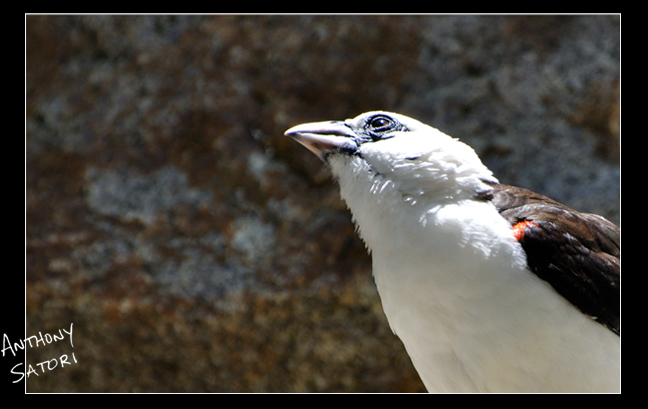
“Long Live Atticus Finch” | Anthony Satori
“Mockingbirds don’t do one thing but make music for us to enjoy. They don’t eat up people’s gardens, don’t nest in corncribs, they don’t do one thing but sing their hearts out for us. That’s why it’s a sin to kill a mockingbird.” — Harper Lee
The “new” book attributed to Harper Lee, Go Set a Watchman, purports to be the long-delayed release of a “sequel” to the literary masterpiece To Kill a Mockingbird, but I find the entire situation dubious.
First of all, the timing of the “discovery” of this previously unpublished manuscript, and its presentation as a novel that Harper Lee “always wanted published,” seems highly questionable to me. I find it difficult to believe that Harper Lee, one of the best-selling and widely-adored novelists of the 20th century, could not have had anything she wished published at any moment in her long life. If she wanted this book out, it would have been out years ago, even decades ago. The timing of its release, following the death of Harper Lee’s sister, a staunch defender of Lee’s legacy and work, smacks to me of a manipulative money-grab by people around the 89-year-old author, and it is unconscionable, in my opinion, because it is at the expense of nothing less than her legacy.
Which brings us to the second point: the content of the book. The story takes place 20 years after the events of the original, and purports to describe how, later in life, the virtuous hero of To Kill a Mockingbird, Atticus Finch, eventually conforms to the petty, racist narrow-mindedness of the world around him. This, however, in my opinion, is something that Harper Lee would have never wanted. My evidence of this? If you read the original To Kill a Mockingbird carefully, you will see that it is not written from the viewpoint of the child “Scout,” as many people think. The book is actually written from the viewpoint of the adult Scout, looking back on her childhood. The key here is that she not only holds her father Atticus Finch up as a character of heroic virtue, kindness and strength from the perspective of a wide-eyed child, but that her love and respect for him remains unabated into her adult years. This was no accident. It tells me that Harper Lee wanted to secure the notion that the virtue and character of Atticus Finch never changed, never faltered, even later in life, as this “new” book seems to suggest that it did.
We readers, however — we lovers of literature, we champions of culture — can help preserve the legacy of a great writer and an amazing book by merely choosing to relegate this “sequel” to the status of the false work that it is, and by choosing to retain the original masterpiece To Kill a Mockingbird as the final word on the world created by Harper Lee. Because, while it is a sin to kill a mockingbird, it is far worse, in my opinion, to attempt to kill the very heart and virtue of the defender of mockingbirds, Atticus Finch.
There are two things, then, that we can learn from this situation. First, if you are a writer and you have work that you do not wish to be published, destroy it. Don’t imagine that it will be looked upon in the proper light and/or reasonably presented at some future time. You cannot count on this happening. And second, we must cherish our classics in literature. We must appreciate, preserve and celebrate wonderful books such as To Kill a Mockingbird, The Old Man and the Sea, The Fountainhead… any work that presents virtue as a truly heroic, yet humanly attainable character trait. Books such as these represent the height of what literature is capable of doing, presenting us with higher versions of humanity to which we can aspire, and giving us a blueprint from which we can forge the mettle of our own character and become better versions of ourselves.
Long live Atticus Finch.
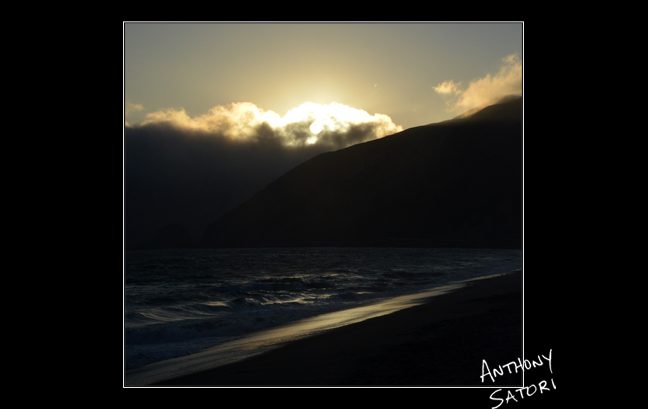
“The Sea, Half-Held by the Night” | Anthony Satori
“I am he that walks with the tender and growing night, I call to the earth and sea, half-held by the night… You, sea! I resign myself to you… Sea of stretch’d ground swells, Sea breathing broad and convulsive breaths, Sea of the brine of life… Howler and scooper of storms… I am integral with you, I too am of one phase and of all phases.”
— Walt Whitman
 Satori Circle | Art & Culture