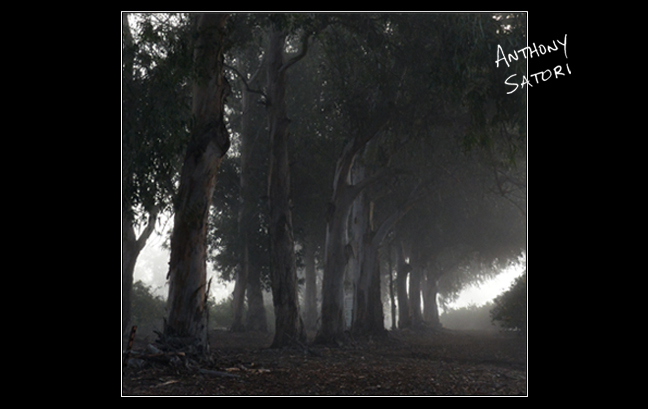
“Imagination Itself” | Anthony Satori
“The tree which moves some to tears of joy is, in the eyes of others, only a green thing that stands in the way. But to the eyes of the person of imagination, nature is imagination itself.”
— William Blake
“Imagination Itself” | Anthony Satori
“The tree which moves some to tears of joy is, in the eyes of others, only a green thing that stands in the way. But to the eyes of the person of imagination, nature is imagination itself.”
— William Blake
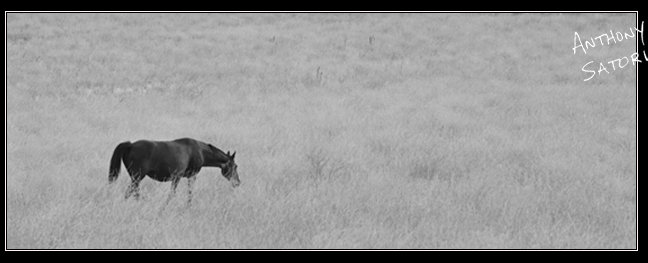
“Summer Wind” | Anthony Satori
“I am certain of nothing but the holiness of the heart’s affections, and the truth of imagination.”
— John Keats

“Mysterious Ways” | Anthony Satori
“Life unfolds itself in mysterious ways.”
— Khalil Gibran
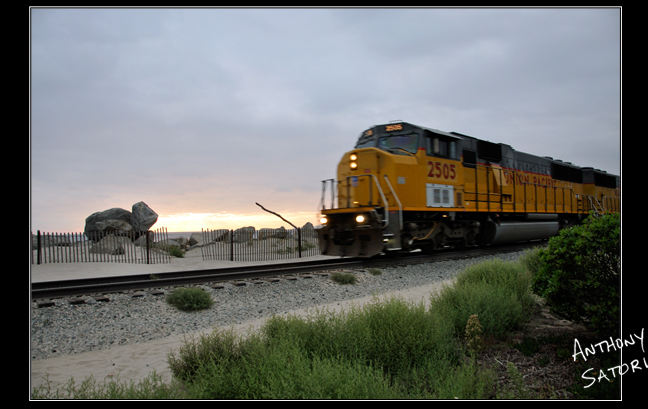
“Locomotive” | Anthony Satori
“I walked on the banks of the tin-can banana dock and sat down under the huge shade of a Southern Pacific locomotive to look at the sunset over the box-house hills and cry. Jack Kerouac sat beside me… companion… we thought the same thoughts of the soul… surrounded by the gnarled steel roots of the trees of machinery.”
— Alan Ginsberg
It is okay to feel sad, sometimes. It is a normal and healthy part of life. But don’t plan to stay there. Be ready to move through it, like a locomotive. Remember that sadness is not who you are. You are Spirit. You are Joy. You are Light. You were created to be the reflection and the conduit of everything that is Good in the Universe. You were created to be the eyes, the ears, the pleasure, and the laughter of God.

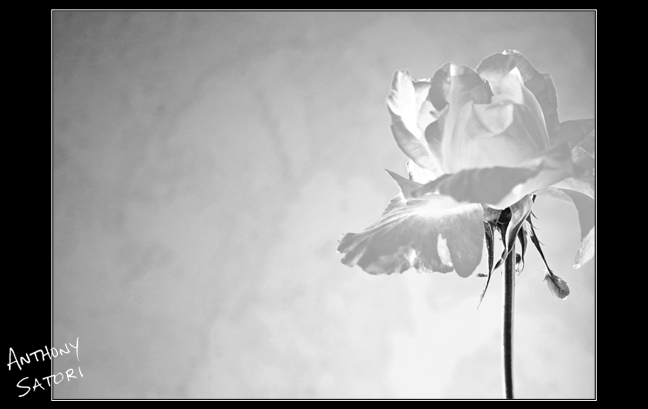
“La Vie En Rose” | Anthony Satori
“The richness of the world is always available to the poet.”
— Goethe

“Who’s That Little Mouse?” | Anthony Satori
(Me up at does)
— a poem by E. E. Cummings
“Me up at does
out of the floor
quietly Stare
a poisoned mouse
still who alive
is asking What
have i done that
You wouldn’t have”
Although quite poignant, I’ve always appreciated this poem by E. E. Cummings. I think it is a fine example of his remarkable economy of language, his touching sense of empathy, and his unmistakable signature style: a seemingly mixed-up, punctuation-free stagger of words which, upon closer inspection, actually turns out to be a carefully constructed poetic flow of thoughts and ideas. Like a lot of great art, Cummings’ poetry isn’t spoon-fed to the viewer. It requires effort and attention. But, in the end, it is always worth the journey.
Quite fortunately, the little mouse in the image above was destined for a more happy fate than the mouse in Cummings’ verse. A couple of nights ago, while we languished in a Tryptophan-induced haze, this little fellow took us completely by surprise by scampering across the interior of a ceiling light fixture. Following his spry shadow, I slid the lamp shade aside and revealed a tiny gray mouse huddled in a corner. As soon as we saw his earnest little face, we knew that we had to devise a plan of rescue. We named him “Buford.” He graciously posed for a portrait. Then, after some careful thought and planning, we proceeded to use a combination of kitchen implements, a folding chair, and some gentle coaxing to safely retrieve him from the ceiling fixture. For his bravery, he was treated to some Thanksgiving leftovers. What a feast! Then, with a full belly and an unbelievable story to tell, we released him into the night. Godspeed, Buford. And Happy Thanksgiving, everyone!


“Lighthouse” | Anthony Satori
“Life is holy, and every moment is precious.”
— Jack Kerouac
Let this thought be your guiding light.
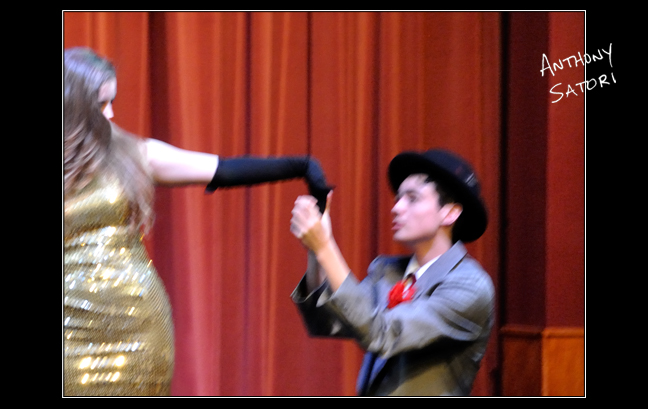
“Infatuation” | Anthony Satori
“The first sip is joy and the second is gladness, the third is serenity, the fourth is madness, the fifth is ecstasy.”
— Gary Snyder, describing to Jack Kerouac an ancient philosophy of drinking tea.
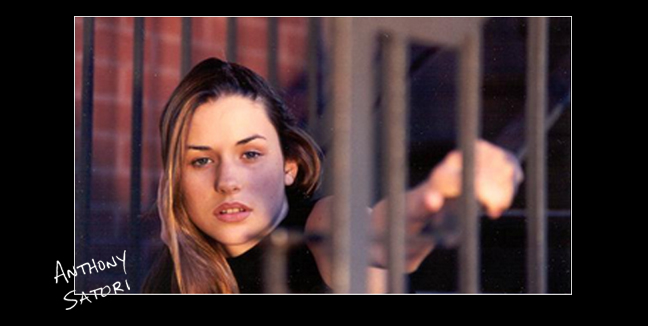
“Girl by a Fireside” | Anthony Satori
“Ah, life is a gate, a way, a path to Paradise anyway, why not live for fun and joy and love or some sort of girl by a fireside, why not go to your desire and LAUGH?”
— Jack Kerouac
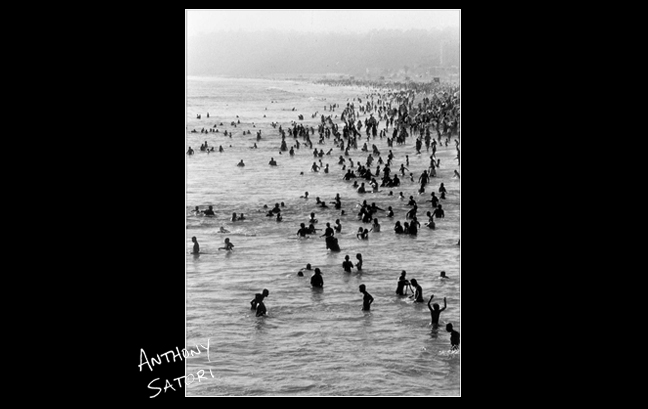
“Sea of Humanity” | Anthony Satori
“A breaking up of foam and of quicksand, / a rustling of salt withdrawing, / the grey cry of sea-birds on the coast.”
— Pablo Neruda
 Satori Circle | Art & Culture