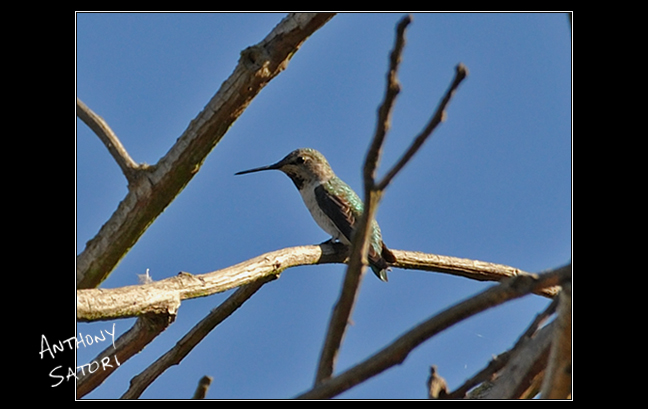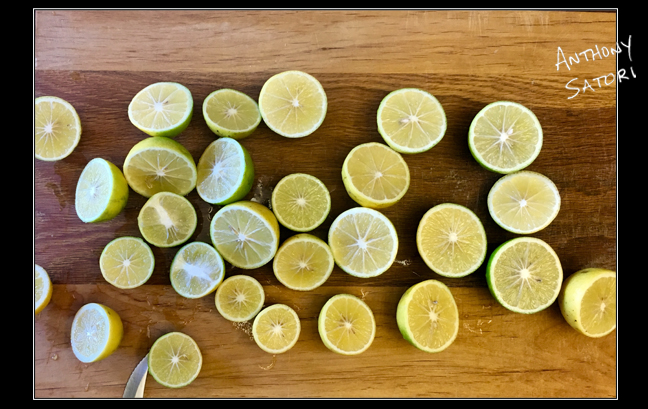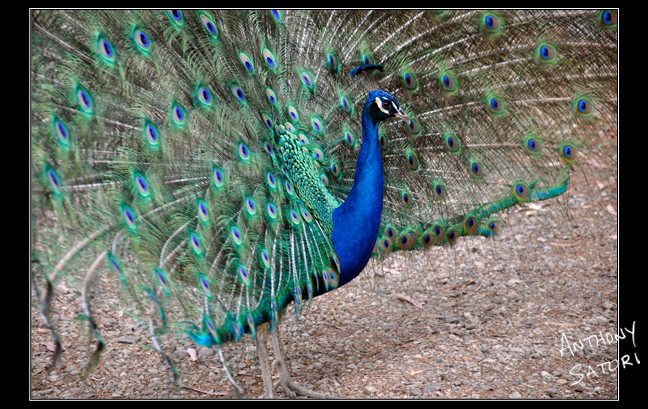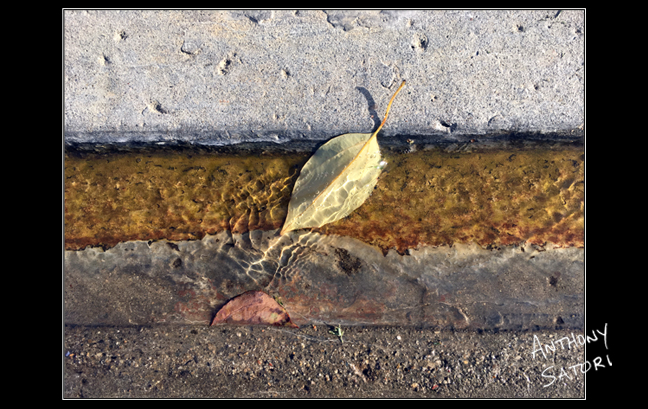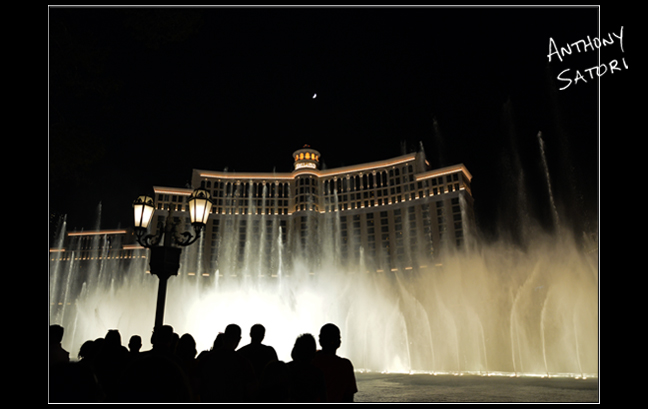
Plume

BlogImage - SatoriCircleDotCom - Aug 17 2019c

“Plume”  |  Anthony Satori

“I am not sure exactly what Heaven will be like, but I know that when it comes time for God to judge us, He will not ask, ‘How many good things have you done in your life?’  Rather, He will ask, ‘How much love did you put into what you did?'”

— Mother Teresa

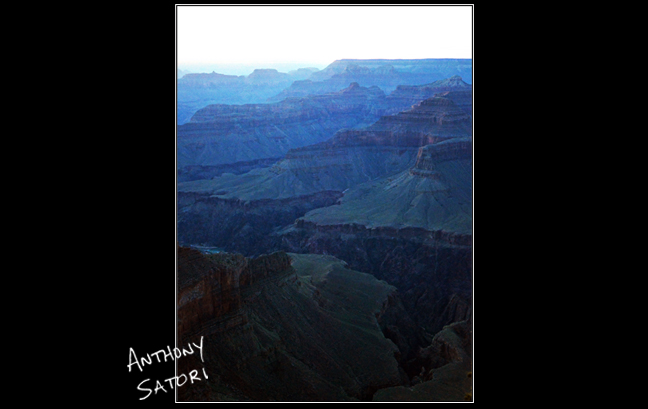
Calm

BlogImage - SatoriCircleDotCom - August 10 2019b

“Calm”  |  Anthony Satori

“The purpose of meditation is to make our mind calm and peaceful.  If our mind is peaceful, we will be free from worries and mental discomfort, and so we will experience true happiness.  But if our mind is not peaceful, we will find it very difficult to be happy, even in the very best conditions.”

— Kelsang Gyatso

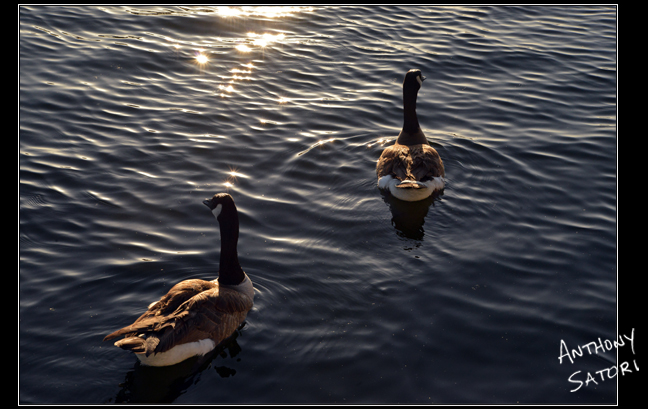
Artemis

BlogImage - SatoriCircleDotCom - July 27 2019

“Artemis”  |  Anthony Satori

“Isn’t it astonishing that all these secrets [of nature] have been preserved for so many years just so we could discover them?”

— Orville Wright, co-inventor of the first airplane. (1903)

Nature holds so many wonderful mysteries.  It’s like a giant cosmic Easter Egg hunt that has been carefully set in place for us to enjoy, and I picture a benevolent Creator just sitting back and watching, with pleasure and pride, as we seek — and gradually discover — the endless gifts and surprises that have been hidden for us throughout nature, around the universe, and even within our own souls.

BlogImage-footd2

Historical Note:  This week marks the 50th anniversary of the Apollo 11 mission, which sent two American astronauts to walk on the moon for the first time in human history.  Just this week, as well, a brand new mission has been announced by NASA, scheduled to return humans to the moon by 2024.  This new mission is called Artemis.  In Greek mythology, Artemis is the godess of wilderness, exploration, archery, and the moon.  She is also the twin sister of Apollo.

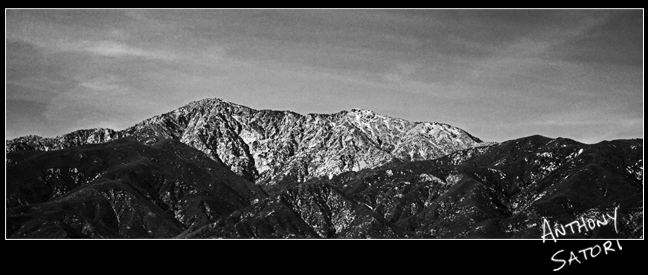
Restful Contours

BlogImage - SatoriCircleDotCom - May 25 2019b

“Restful Contours”  |  Anthony Satori

“A finely tempered nature longs to escape from one’s noisy, cramped surroundings into the silence of the high mountains, where the eye ranges freely through the still, pure air and fondly traces out the restful contours apparently built for eternity.”

— Albert Einstein

A Good Fire

BlogImage - SatoriCircleDotCom - May 11 2019

“Thoreau’s Cooking Stove”  |  Anthony Satori

“I sometimes left a good fire when I went to take a walk in a winter afternoon; and when I returned, three or four hours afterward, it would be still alive and glowing.  My house was not empty though I was gone.  It was as if I had left a cheerful housekeeper behind.  It was I and Fire that lived there.”

“The next winter I used a small cooking-stove for economy…  but it did not keep fire so well as the open fireplace.  Cooking was then, for the most part, no longer a poetic, but merely a chemic process.  It will soon be forgotten, in these days of stoves, that we used to roast potatoes in the ashes.  The stove not only took up room and scented the house, but it concealed the fire, and I felt as if I had lost a companion.  You can always see a face in the fire.  The laborer, looking into it at evening, purifies his thoughts…  But I could no longer sit and look into the fire.”

— Henry David Thoreau