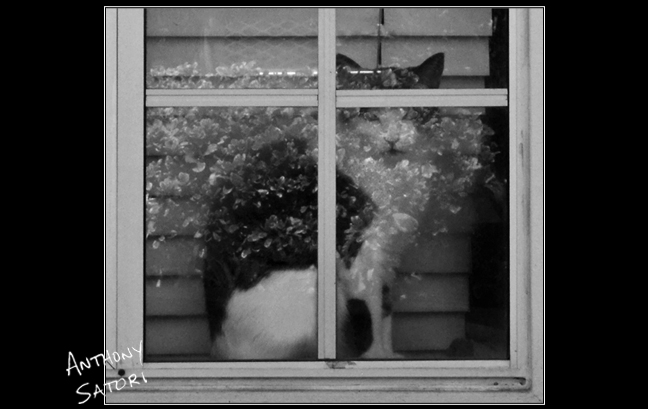
“Cat on a Window Sill” | Anthony Satori
“If you gaze long enough into the abyss, the abyss will eventually gaze back into you.”
— Friedrich Nietzsche
“Cat on a Window Sill” | Anthony Satori
“If you gaze long enough into the abyss, the abyss will eventually gaze back into you.”
— Friedrich Nietzsche
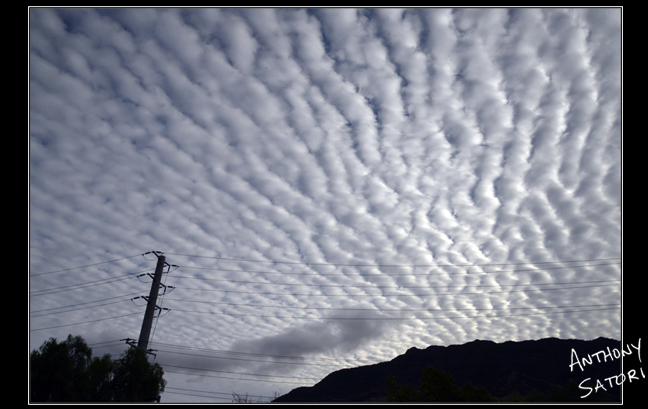
“Big with Wonder” | Anthony Satori
“Because philosophy arises from awe, a philosopher is bound in his way to be a lover of myths and poetic fables. Poets and philosophers are alike in being big with wonder.”
— Thomas Aquinas
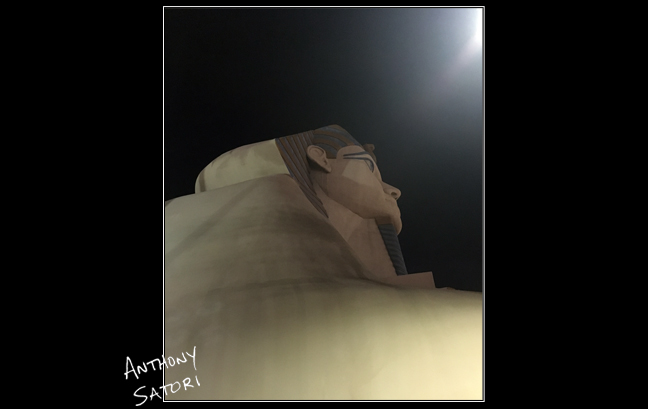
“Sphinx” | Anthony Satori
There have been countless attempts throughout history to decipher, represent, and/or access the spiritual world. Such efforts usually take the form of religion, philosophy, ritual, or artwork, and they are almost always fueled by our innate human drive to discover and/or create a door between the known world and that which exists beyond. As can be expected, every door that has been created by man up until now has been, by necessity, inherently flawed. The simple fact is that it is almost impossible to escape the corrupting influence of human imperfection, especially over time. But the destination is true. That which lies on the other side of the veil is real. It is pure, it is powerful, and it is eminently worth pursuing. So keep trying. Keep seeking. Every genuine attempt to expand our understanding of — and our connection with — the compassionate creative Spirit which pervades the universe is a gift to the future of the collective human soul.

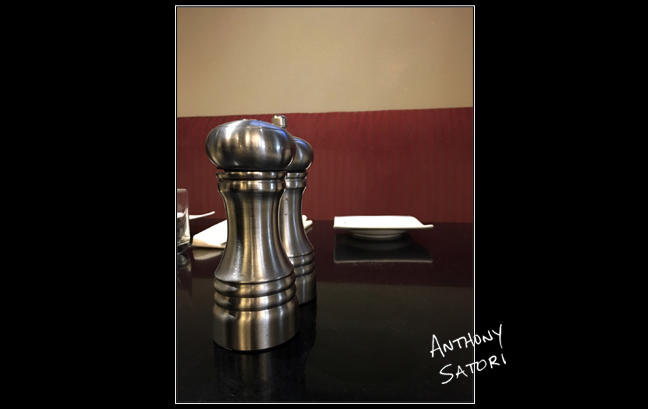
“Inner Beauty” | Anthony Satori
For me, art is a kind of magic. It is the act of bringing inner beauty out into the light.
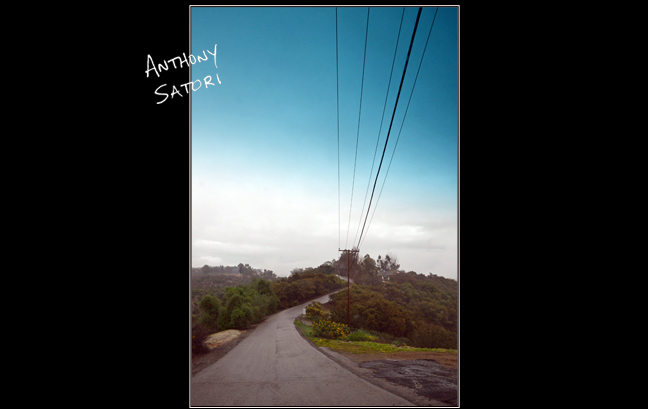
“Dream the Myth Onward” | Anthony Satori
“Even the best attempts at explanation [of an image] are only more or less successful translations into another metaphorical language. Indeed, language itself is only an image. The most we can do is dream the myth onward.”
— C. G. Jung
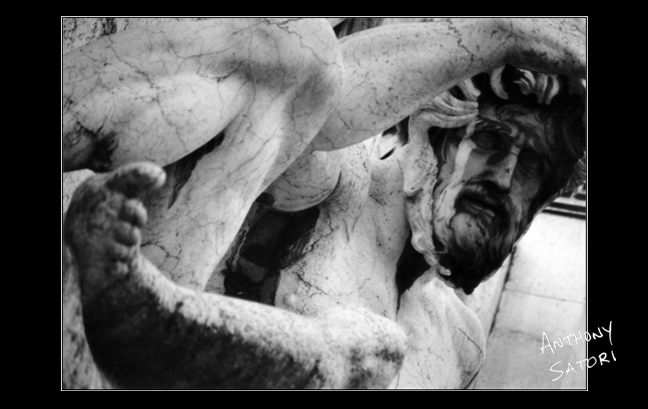
“Neptune in Repose” | Anthony Satori
Neptune is the Roman equivalent to the Greek god Poseidon. He is widely recognized as the god of the sea, standing strong and regal with his trident, heavily bearded and boldly postured, exerting great power over his underwater domain. His realm extends beyond the ocean floor, as well, since, as the ruler of water and climate, he is also the god of storms, wind and rain. He can provide safe passage to sea-faring vessels, or, just as quickly, he can bring them to their doom. He is also the provider of life-giving rainfall to agricultural endeavors, the filler of rivers and lakes with fish, and the one who causes underground springs to overflow with fresh drinking water.
Surely a deity of such breadth and reach deserves his own festival. And, as it happens, tomorrow, July 23, marks the ancient Roman festival of Neptunalia. Placed squarely in the heart of the dry season, this pleasant social event was slated as a time to celebrate the god Neptune and to implore him to bring more life-giving rain. Often, a bull would be sacrificed as a symbol of agricultural fertility, and then the people would celebrate with the traditional activities of having a feast in the shade of shelters built with tree branches, drinking spring water, and sharing a pleasant, joyful time with friends. During this festival, many of the standard social restrictions were lifted, giving people the opportunity to interact with others that they might not usually have the chance to meet. What better time to get together with friends, share a meal, and perhaps open yourself up to the possibility of meeting someone new?
Neptunalia is also a good time to reconsider our own relationship with water, both literally and symbolically. Many ancient religions place great importance on the metaphorical lessons that can be learned from water’s unique combination of fluidity, quiet patience, and immense power. “Nothing is softer or more flexible than water, yet nothing can resist it.” (Lao Tzu) There is much that we can learn from observing water, such as how to adapt to our environment while staying true to our core selves, going with the flow instead of fighting it, and finding creative solutions to challenges.
So, in celebration of Neptunalia, I encourage you to get together with some friends, share a feast, raise a glass of water, and open your mind to the flow of the Universe. You might be pleasantly surprised where it takes you!

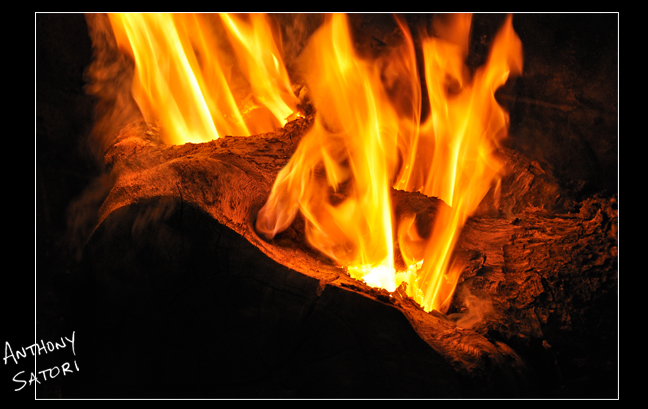
“Prometheus’ Gift” | Anthony Satori
According to Greek mythology, Prometheus stole fire from the gods and gave it to humans for our use and benefit. It surely must have seemed like nothing less than supernatural forces at play when our ancient ancestors observed lightning crashing down from the heavens and scorching the earth in ways nothing else came even close to doing. Remarkably, opportunistic uses of Prometheus’ gift probably date back more than a million years, and evidence seems to suggest that the habitual, controlled use of fire probably became part of the human suite of behaviors even as far back as 300,000 to 500,000 years ago, still firmly within the parameters of the Stone Age. It is truly astounding to fathom that this fundamental element of human experience dates back so amazingly far, and that it still remains part of our lives to this day. There are very few similarly consistent through-lines in the human experience.
This begins to inform why, even after all of these millennia, sitting around a fire remains nothing less than mesmerizing — watching the movement of the flames, feeling the warming effect of its heat, basking in the soft glow of its light. And, as anyone who has gone camping or sat around a fireplace will tell you, it is especially pleasurable to share this experience with friends and family. Whether you are talking, singing, or just listening to the crackle of the fire, this activity feels comforting and natural in a very deep way. We have been doing this, as a species, for nearly half a million years. It is surely one of the earliest social rituals of human life.
There are also other reasons this experience still resonates so deeply with us, even in our modern world of mass media, smart phones and stimulus overload. All the way back to the earliest era, this activity would have most commonly taken place at the end of the day, so the main work and/or dangers of the day would have been passed. All of the members of the tribe who had gone out of sight during the daylight hours would be back at the village, now, and accounted for, so there would be a feeling of togetherness and closure. Also, the fire-side ritual would have happened after dark, which is a mystical time, and a part of the day which would not have been dependably habitable prior to the light and heat provided by the controlled use of fire. Throughout the night, a fire would have kept predators away from the camp, and so the mere sight of contained flames would have quickly become associated with feelings of security and peace. The evening fire-side ritual would also almost surely have been accompanied by the smell and flavor of cooked meat, which provided nourishment and a feeling of contentment, a partaking of the spoils of the day. In addition to all of these things, sitting around the fire would have been the most natural time and place to share and re-live the events of the day through conversation, stories, shared contemplation and even, eventually, song, developing our language skills and strengthening intra-community bonds.
And so we can see how this simple act of gathering around the fire — this ritual, this experience — is layered with hundreds of thousands of years of human memories of pleasure, security, community and nourishment. The next time you are sitting around a fire with friends or family, then, take a silent moment to feel just how deeply ingrained this human experience is within your being. And then kick back, relax, put a steak on the grill, and tell a story from your day. In this moment, you are truly human.
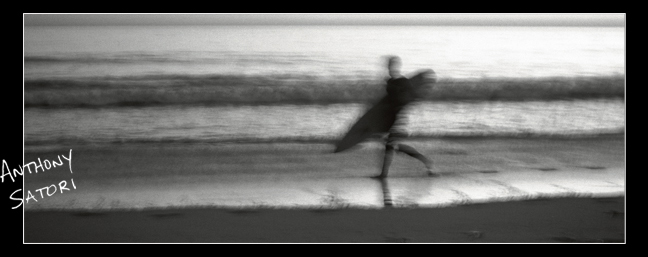
“Solstice” | Anthony Satori
Tomorrow, December 21, is Winter Solstice. Every season has its beauty, and Winter’s stark wonder reaches its subtle peak tonight, the longest night of darkness in the year. There is deep beauty to be found by immersing oneself in the experience of the clouds, the rain, the wind… they are, without a doubt, genuine offerings of Demeter’s heart, and hold profound meaning in their nature. Do not become too mired in their melancholy, however… for the planet has turned on its axis, the captivity of Persephone has crossed its half mark, and the earth has begun its slow, steady thaw toward Spring. And Spring, after all, is where life is meant to thrive. Just appreciate every moment along the way, every step of the journey.
 Satori Circle | Art & Culture