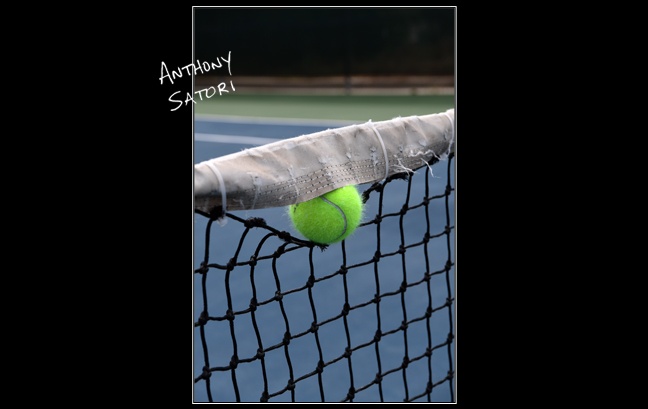
“Under the Tape” | Anthony Satori
“There is no greatness where there is no simplicity, goodness, and truth.”
– Leo Tolstoy
“Under the Tape” | Anthony Satori
“There is no greatness where there is no simplicity, goodness, and truth.”
– Leo Tolstoy

“The Heavens” | Anthony Satori
“God doesn’t know things. He is things.”
– D. H. Lawrence
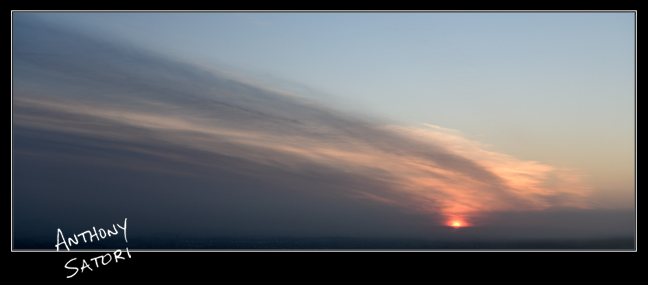
“Received by the Clouds” | Anthony Satori
“The water of the sea received by the clouds is always sweet.”
– Chanakya
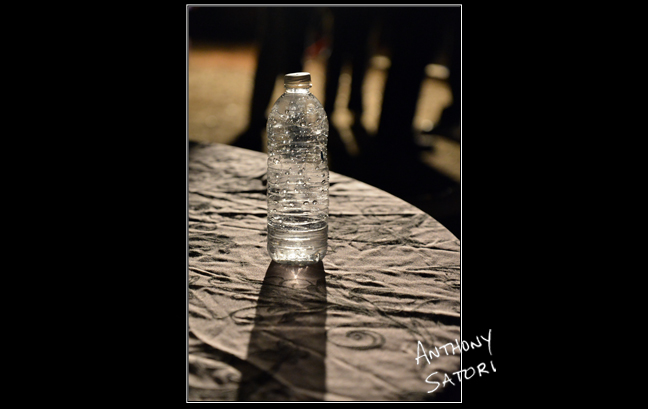
“Water Bottle” | Anthony Satori
“I traveled miles, for many a year, I spent a lot of time in lands afar. I’ve gone to see mountains, the oceans I’ve been to view. But I haven’t seen with these eyes, just two steps from my home, lies on a corn of paddy grain, a glistening drop of dew.”
– Rabindranath Tagore
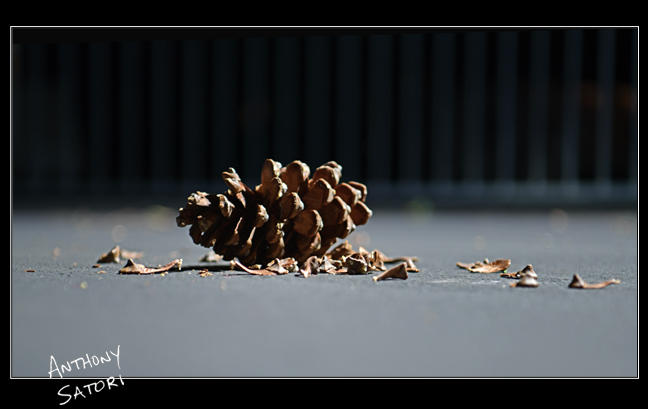
“Pine Kernels” | Anthony Satori
“And life also belongs to God, for the actuality of thought is life, and God is that actuality; and God’s self-dependent actuality is life most good and eternal. We say therefore that God is a living being, eternal, most good, so that life and duration continuous and eternal belong to God; for this is God.”
– Aristotle
The more I ponder it, the more it seems that the essence of all life is inextricably linked to the phenomenon of consciousness. It is entirely possible, then, that consciousness may even be the very substance of life itself. This seems to be what Aristotle is suggesting, when he says, “The actuality of thought is life.” And therefore, it would follow that the ultimate form of life would be an eternal, ultimate, omniscient consciousness, i.e., God. We often think of the ancient Greek philosophers as ultra-secular, but here we have Aristotle rather comfortably admitting that not only must there be a God, but that God must be a singular living being, and that this God must be an ultimate, eternal, self-dependent manifestation of creative consciousness. And therefore, under Aristotle’s view of the world, God must also be the ultimate and most perfect manifestation of everything that is good. So, basically, Aristotle is saying, “God is good.” This is just one step away from what Jesus taught, that God is love, (love being the highest, most pure manifestation of good.) Therefore, it seems clear to me that the closer we get to attaining our highest consciousness – and manifesting our highest love – the closer we get to a more perfect connection and communion with God.

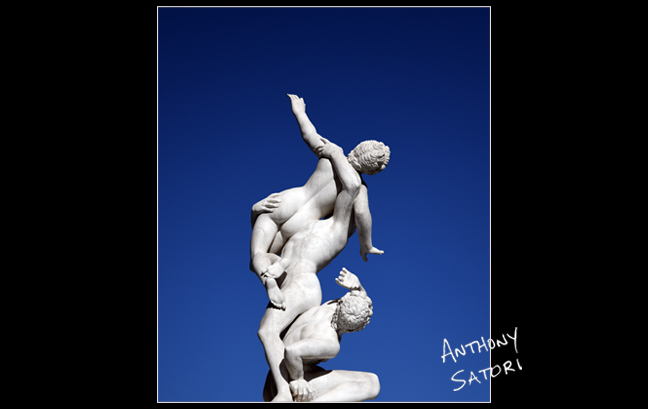
“The Sabine Woman” | Anthony Satori
“Whether artists and authors ever live to see the dawn of their fame depends upon the chance of circumstance; and the higher and more important their works are, the less likelihood there is of their doing so. As a general rule, the longer a person’s fame is likely to last, the later it will be in coming. The general history of art and literature shows that the highest achievements of the human mind are, as a rule, not favorably received at first; but remain in obscurity until they win notice from intelligence of a high order.”
– Arthur Schopenhauer
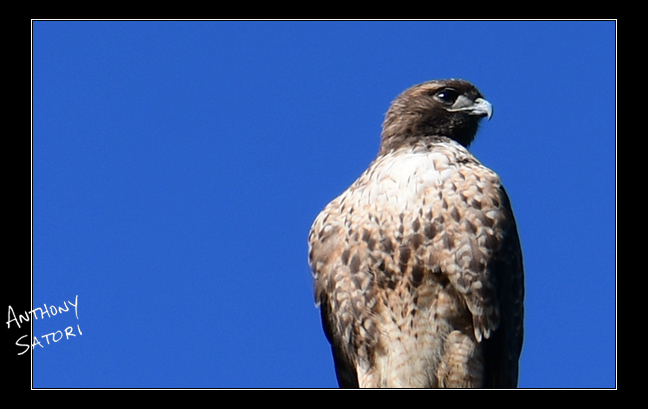
“Spirit Hawk” | Anthony Satori
“We are like islands in the sea, separate on the surface, but connected in the deep.”
– William James
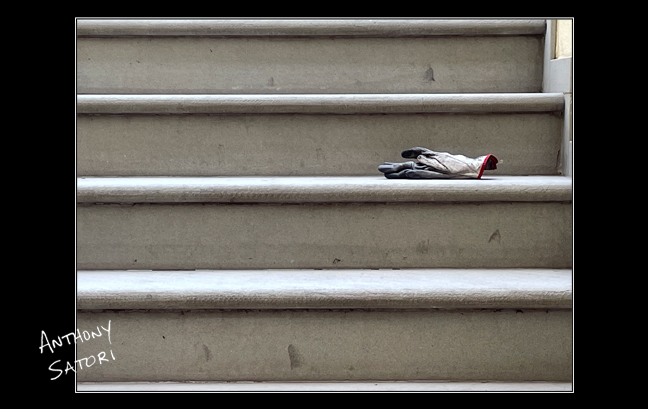
“Glove on Stairs” | Anthony Satori
“The struggle itself towards the heights is enough to fill a man’s heart. One must imagine Sisyphus happy.”
– Albert Camus
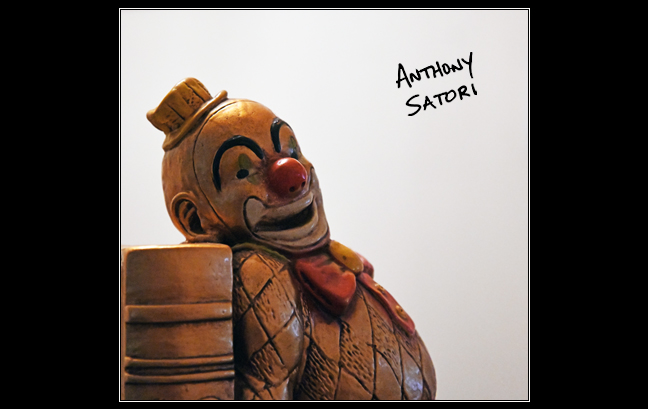
“Golden Clown and Book” | Anthony Satori
“No, no, it’s not books at all you’re looking for! Take it where you can find it, in old phonograph records, in old motion pictures, and in old friends; look for it in nature and look for it in yourself. There is nothing magical in books at all. The magic is only in what books say.”
– Ray Bradbury
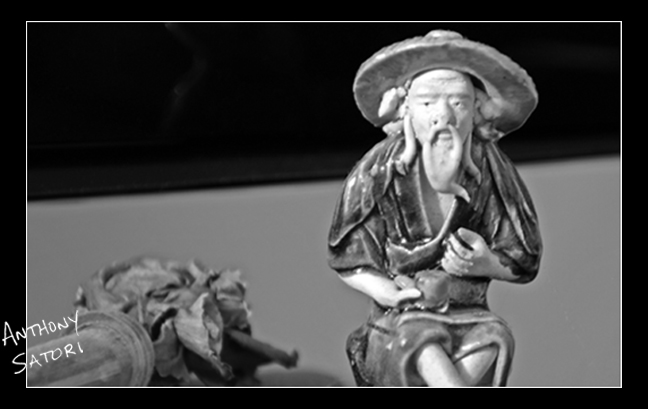
“Tea and Contemplation” | Anthony Satori
“Let the rain kiss you. Let the rain beat upon your head with silver liquid drops. Let the rain sing you a lullaby.”
– Langston Hughes
Merry Christmas, everyone! I wish you peace, joy, and the warmth of love in your hearts.
 Satori Circle | Art & Culture