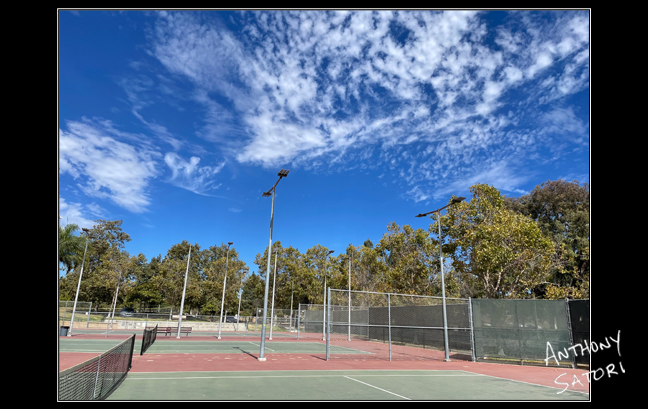
“Tennis Courts” | Anthony Satori
“Happiness is not a matter of intensity but of balance, order, rhythm, and harmony.”
– Thomas Merton
“Tennis Courts” | Anthony Satori
“Happiness is not a matter of intensity but of balance, order, rhythm, and harmony.”
– Thomas Merton
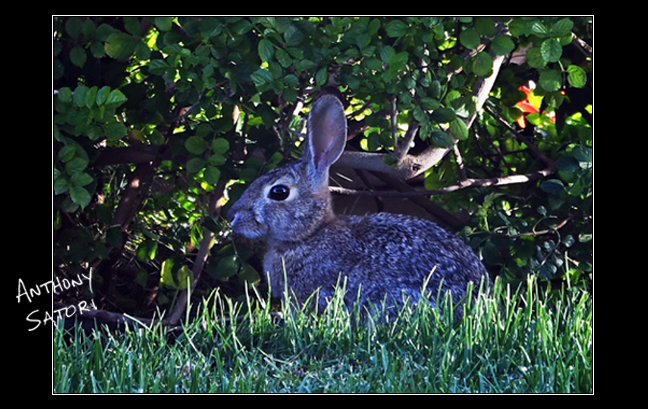
“Little Rabbit” | Anthony Satori
“Be happy for this moment. This moment is your life.”
– Omar Khayyam
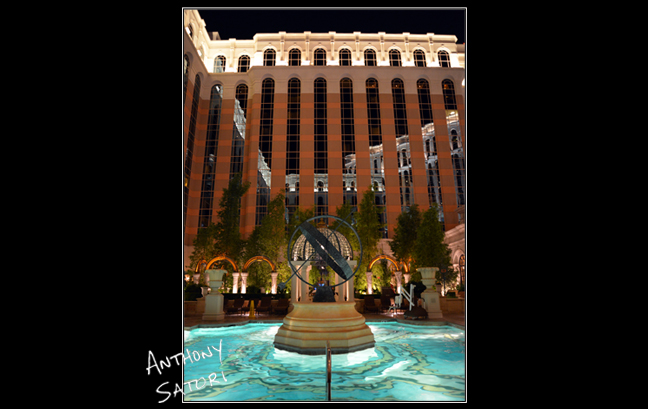
“Aqua Blue” | Anthony Satori
“The big question is whether you are going to be able to say a hearty yes to your adventure.”
– Joseph Campbell
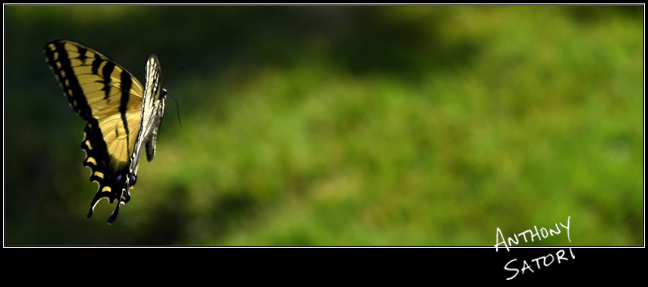
“Yellow and Black Butterfly” | Anthony Satori
“Once upon a time, I dreamt I was a butterfly, fluttering hither and thither, to all intents and purposes a butterfly. I was conscious only of my happiness as a butterfly, unaware that I was Zhuangzi. Soon I awakened, and there I was, veritably myself again. Now I do not know whether I was then a man dreaming I was a butterfly, or whether I am now a butterfly, dreaming I am a man.”
– Chuang Tzu (Zhuangzi)
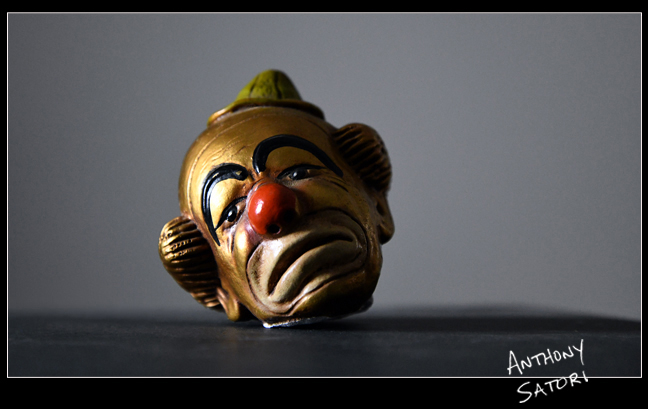
“The Enigmatic Phenomenon of Clowns” | Anthony Satori
Clowns are such oddly polarizing figures. Some people love them, with deep affection. Others dislike them, with equal intensity. Many people are even afraid of them. But almost everyone has a strong reaction to clowns, one way or another.
Clowns are something of a paradox, as well, in that they deliberately hide their identities beneath layers of paint and outlandish costumes, and yet they lay themselves bare before us by means of their exaggerated gestures, movements, and facial expressions. They throw themselves wholeheartedly into absurd and even dangerous situations in an earnest attempt to make us laugh, gasp, and feel something. We root for them, we fear for them, and we sigh in relief when they escape unscathed.
Every move a clown makes is an effort to capture and hold our attention – to gain our sympathy, to draw our empathy – to be seen and understood by us. And in a way, this makes them a true mirror of the human condition. Perhaps this is why audiences react to clowns in such an intense manner. Maybe their antics hit closer to home than we realize, as we watch these strange, cartoonish figures performing exaggerated and unapologetic presentations of the human need to be seen and appreciated and loved.
And when they cry, it manifests in such an over-wrought caricature of emotion that it can often make us feel uncomfortable. The dissonance of their tears is heightened even further by being juxtaposed with such lighthearted and colorful facades. These are the axiomatic “tears of a clown.” They are expressions of sadness coming from a face with a painted-on smile, and we feel these tears in a uniquely poignant way. Maybe we see something of ourselves in this, as well: the act of wearing a face that says, “everything is alright,” while inside we may be feeling sad, lost, or even depressed.
Upon reflection, it seems that clowns may be a more apt representation of humanity than we might have ever imagined.

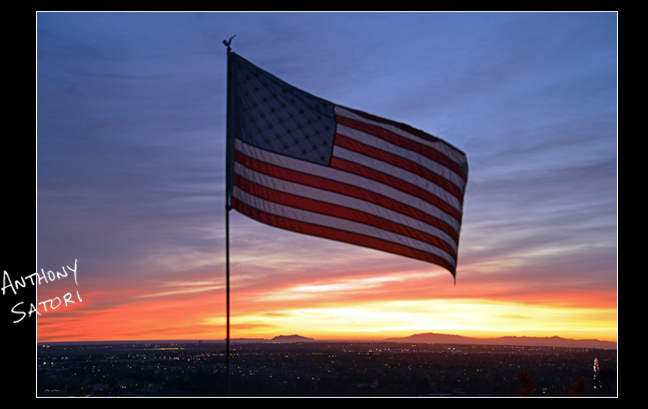
“Better Angels” | Anthony Satori
“The mystic chords of memory, stretching… from every living heart and hearthstone all over this broad land, will yet swell the chorus of the Union, when again touched, as surely they will be, by the better angels of our nature.”
– Abraham Lincoln
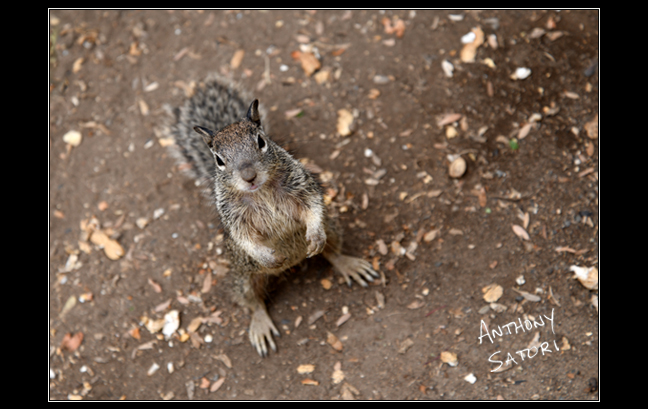
“A Moment in Time” | Anthony Satori
“Every particular in nature – a leaf, a drop, a crystal, a moment in time – is related to the whole, and partakes in the perfection of the whole.”
– Ralph Waldo Emerson
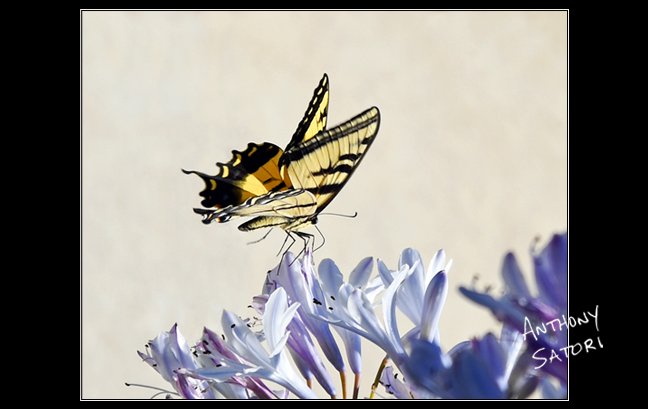
“Four-Winged Butterfly” | Anthony Satori
“Man only escapes from the laws of this world in lightning flashes. Instants when everything stands still, instants of contemplation, of pure intuition. It is through such instants that he is capable of the supernatural.”
– Simone Weil
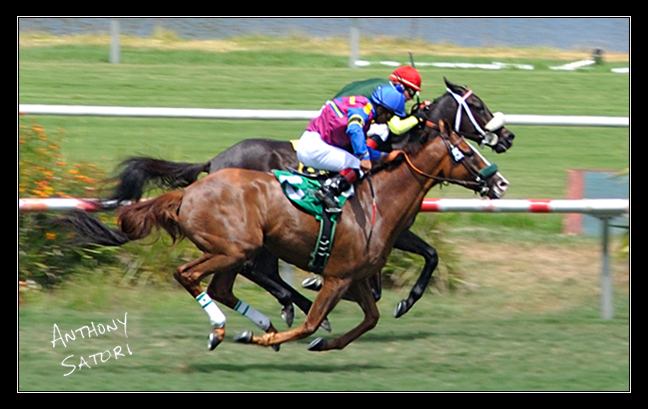
“A Day at the Races” | Anthony Satori
“I hadn’t played the horses in years and was bemused with all the new names. There was one horse called Big Pop that sent me into a temporary trance thinking of my father, who used to play the horses with me. I was just about to mention it to Old Bull Lee when he said, ‘Well I think I’ll try this Ebony Corsair here.’
Then I finally said it. ‘Big Pop reminds me of my father.’
He mused for just a second, his clear blue eyes fixed on mine hypnotically so that I couldn’t tell what he was thinking or where he was. Then he went over and bet on Ebony Corsair.
Big Pop won and paid fifty to one.
‘Damn!’ said Bull. ‘I should have known better, I’ve had experience with this before. Oh, when will we ever learn?’
‘What do you mean?’
‘Big Pop is what I mean. You had a vision, boy, a vision. Only damn fools pay no attention to visions. How do you know your father, who was an old horseplayer, just didn’t momentarily communicate to you that Big Pop was going to win the race? The name brought the feeling up in you, he took advantage of the name to communicate. That’s what I was thinking about when you mentioned it.’
In the car as we drove back to his old house he said, ‘Mankind will someday realize that we are actually in contact with the other world, whatever it is.’”
– Jack Kerouac

“Afterburners” | Anthony Satori
“The best thing is to keep a balance in your life, to acknowledge the great powers around us and within us. If you can do that, and live that way, you are truly wise.”
– Euripides
 Satori Circle | Art & Culture